SargaBloom
Smart Sargassum Management for Coastal Destination
We help governments, hotels, communities and private properties anticipate, intercept, collect and responsibly manage sargassum through customized coastal strategies.
Request a Coastal Sargassum Assessment
Explore Our Solutions
Florida · Puerto Rico · Caribbean
A Growing Coastal Challenge
Sargassum influxes are becoming more frequent
unpredictable and costly for coastal destinations Without an early and coordinated strategy, they can affect public health, tourism, marine ecosystems, property values and daily coastal operations.
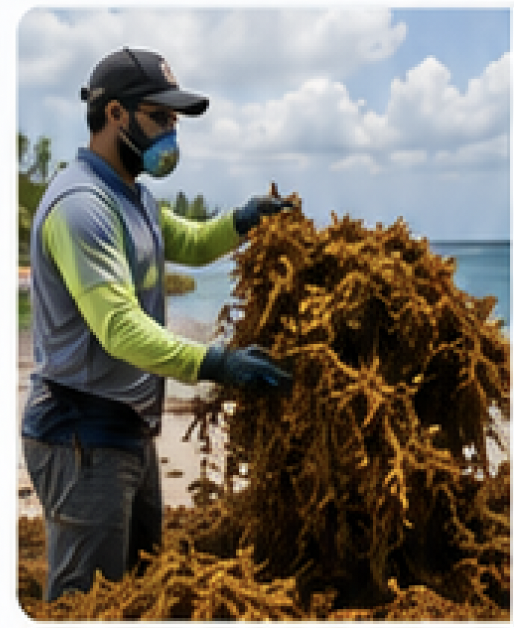
PUBLIC HEALTH & SAFETY
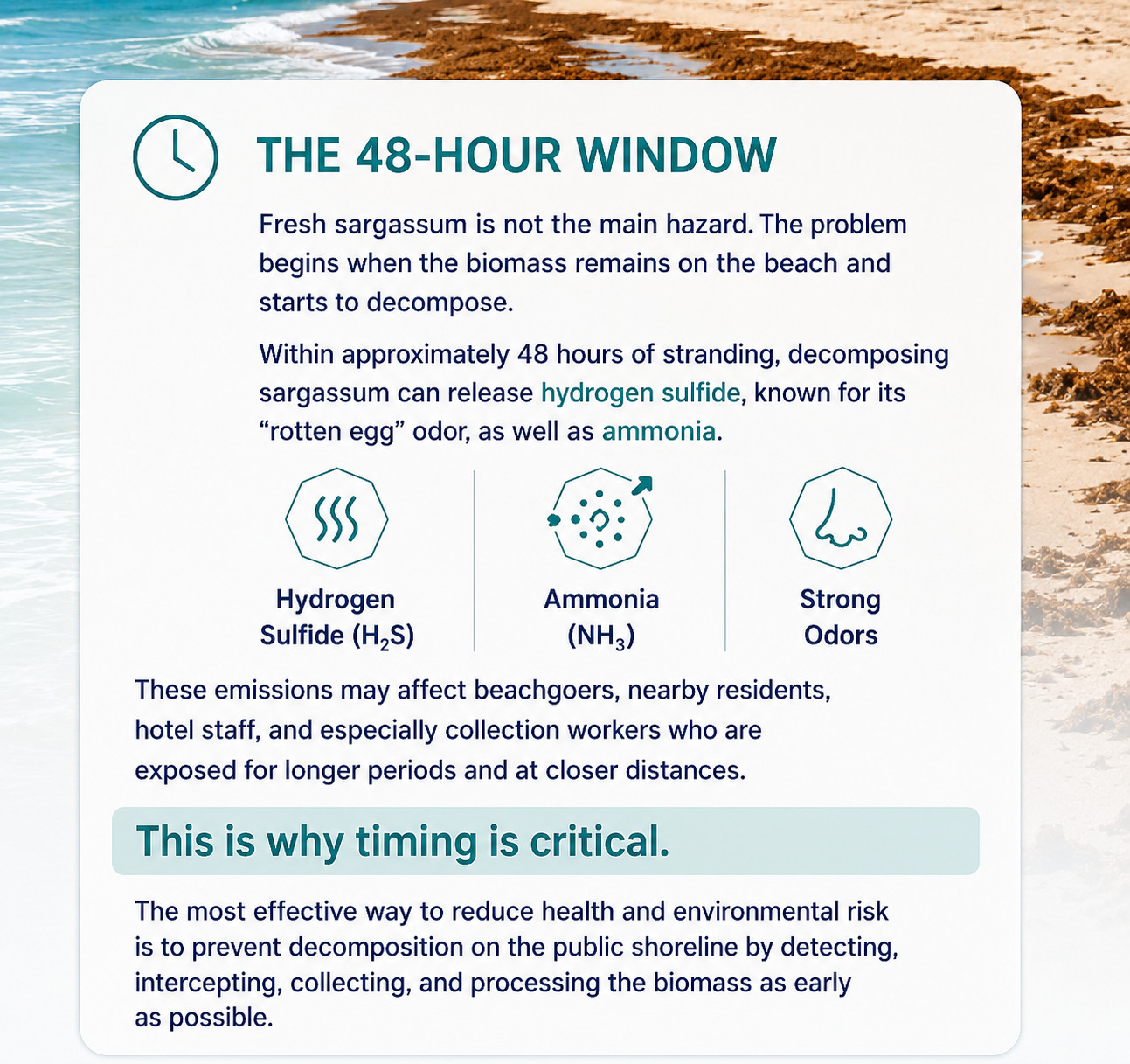
A sargassum decomposes,
it may release hydrogen sulfide and ammonia, creating unpleasant odors and potential health concerns for residents, visitors and coastal workers.
 Sensitive groups may be more vulnerable, including people with asthma or respiratory conditions, cardiovascular conditions, elderly individuals, young children, and pregnant women.
 Collection workers are the most exposed group. They may face not only gas exposure, but also heat stress, physical strain, skin contact, sharp debris, marine organisms, dust from dried biomass, and possible contact with arsenic or heavy metals concentrated in the biomass.
 For this reason, any serious sargassum strategy must include occupational safety protocols, monitoring, personal protective equipment, exclusion zones, training, and clear operating procedures.
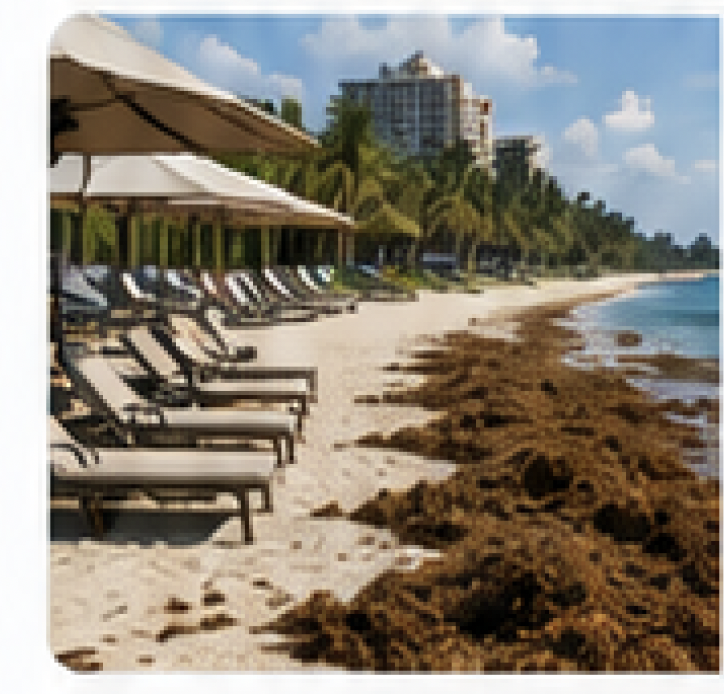
Tourism and Hospitality
Heavy accumulations
can affect beach access, guest satisfaction, hotel operations and the reputation of coastal destinations.
 For hotels, the impact can appear through lower occupancy, pressure on daily rates, lower RevPAR, increased cleaning costs, guest dissatisfaction, and reputational damage.
 In beach-dependent markets, perception matters. Images of sargassum-covered beaches can travel faster than official explanations, affecting confidence in the destination even beyond the days of actual accumulation.
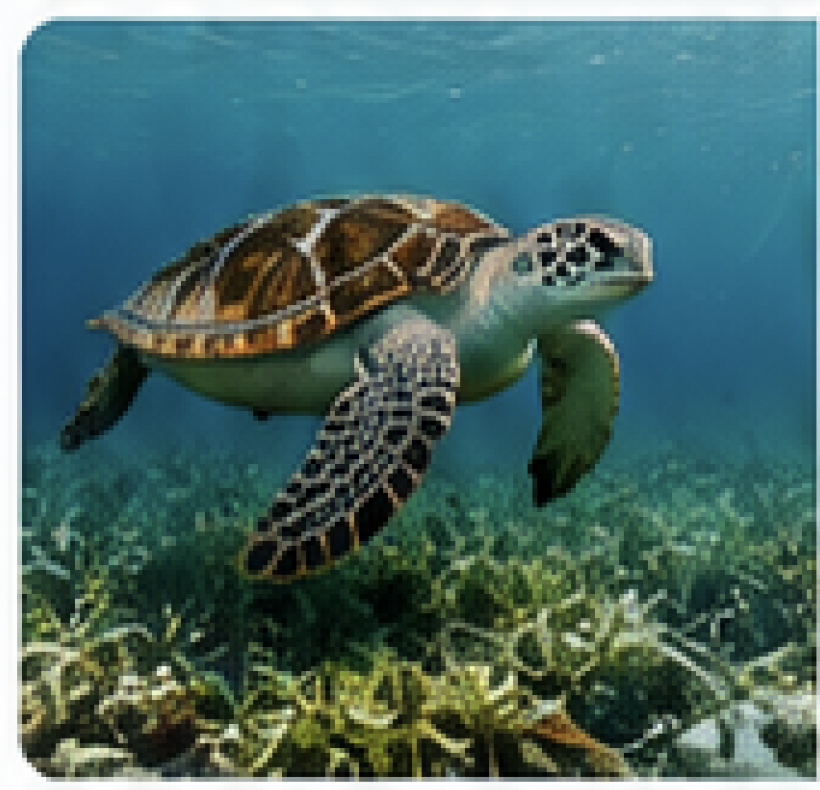
MARINE & COASTAL ECOSYSTEMS
Uncontrolled sargassum
can reduce oxygen levels, affect nearshore habitats and create risks for marine life, turtle nesting areas and sensitive coastal environments.
 Recurring sargassum inundation may affect condominiums, hotels, restaurants, retail, short-term rental income, homeowner associations, and the broader tax base that supports municipal services.
 The risk is not only the direct cost of cleanup. The larger risk is the cost of inaction: lower demand, reduced visitor confidence, weaker hotel performance, potential pressure on property values, and recurring public and private expenses.
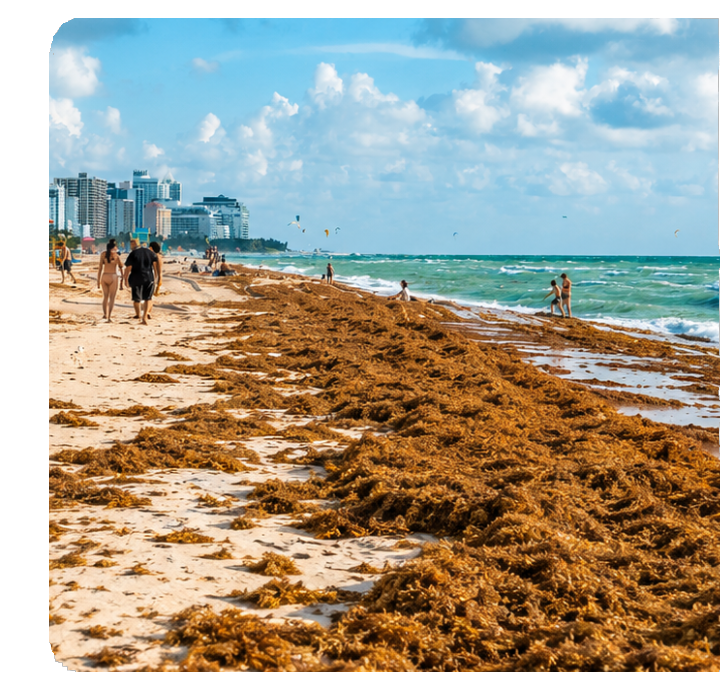
ECONOMIC & PROPERTY IMPACT
Delayed response can increase
cleanup costs, disrupt local businesses and negatively affect the appearance and perceived value of coastal properties.
 In some cases, removal methods can cause additional harm when they remove sand, disturb dunes, affect turtle nesting areas, damage nearshore habitats, or interfere with marine ecosystems.
 A responsible strategy must protect the beach while protecting the environment. That means evaluating local currents, bathymetry, turtle nesting zones, coral reefs, seagrass beds, protected species, access points, and regulatory requirements before choosing technologies or providers.
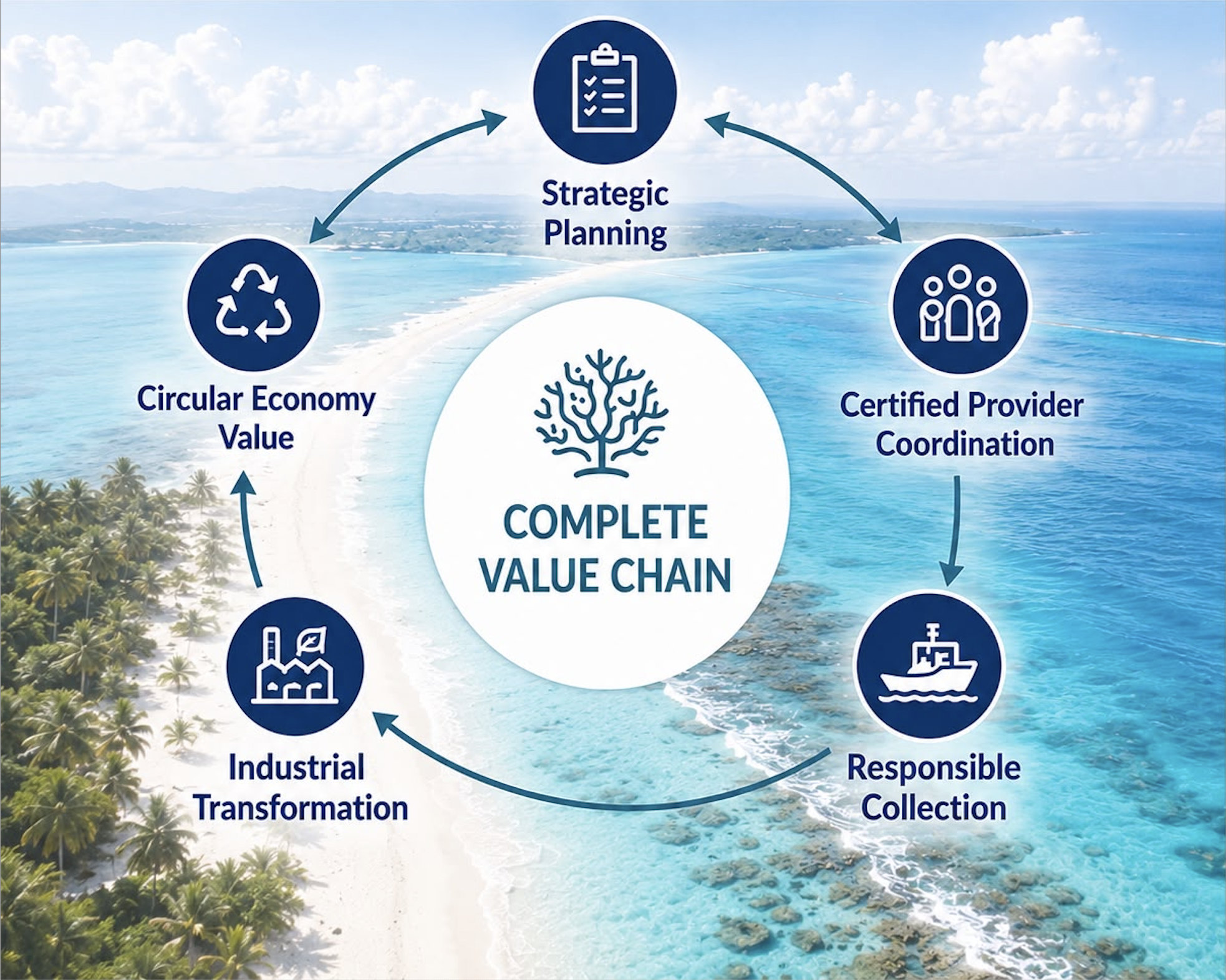
 Built on a Proven Circular Economy Ecosystem.
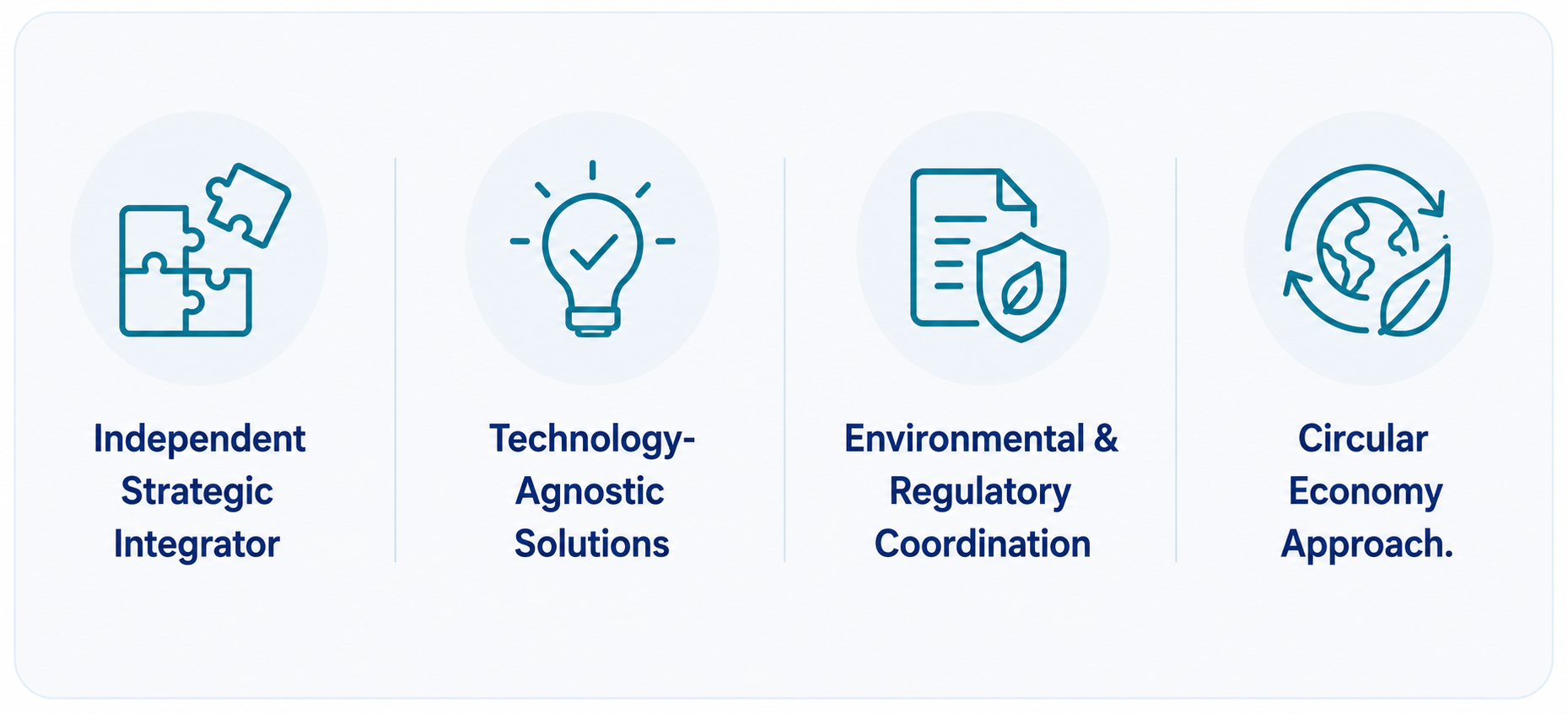
SargaBloom integrates and coordinates the complete sargassum value chain from strategic planning and responsible collection to industrial transformation, and circular-economy applications.
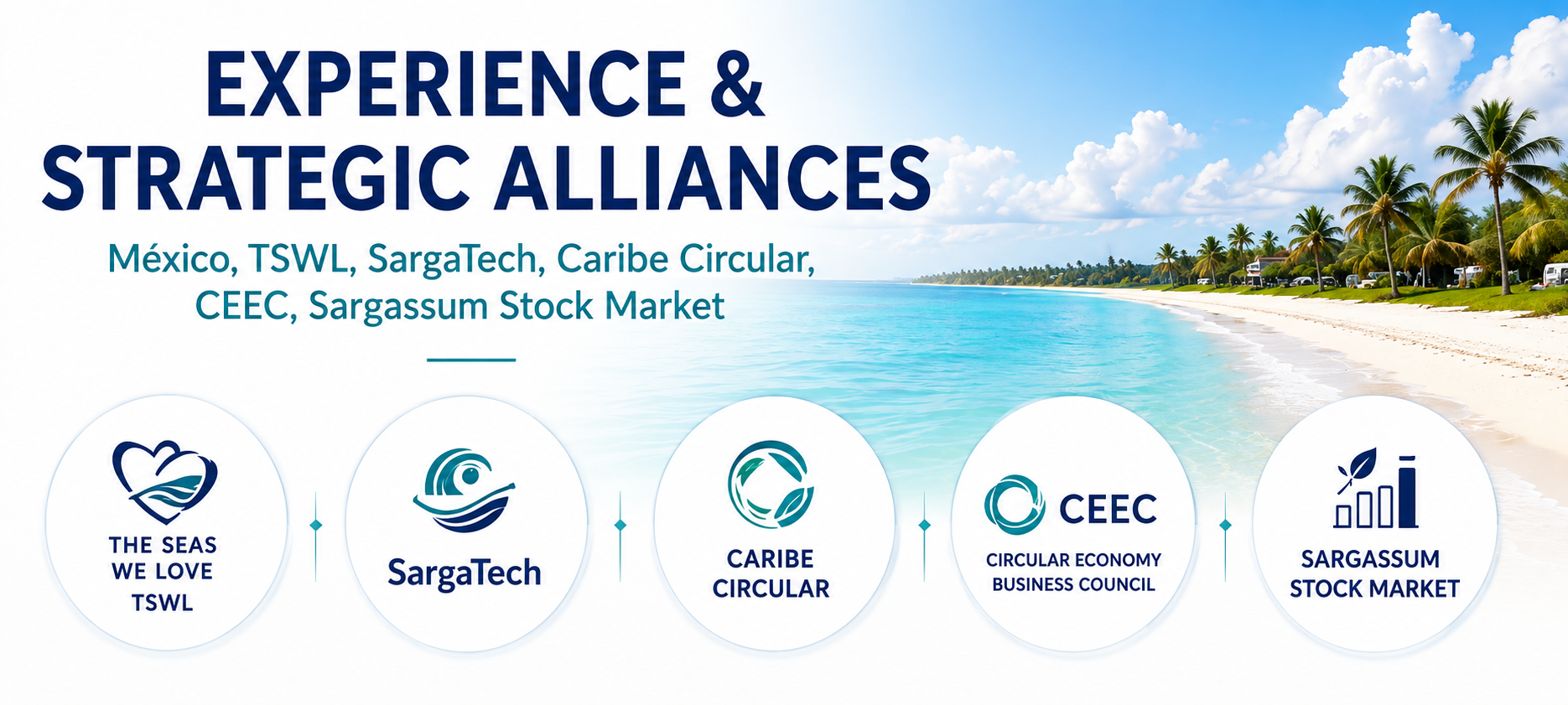
OUR ECOSYSTEM & ALLIANCES
 Why This Matters?
Sargassum requires more than isolated providers. A serious response requires strategy, certified technologies, environmental protocols, provider coordination, regulatory understanding, data, worker safety, circular economy outlets, and long-term governance.
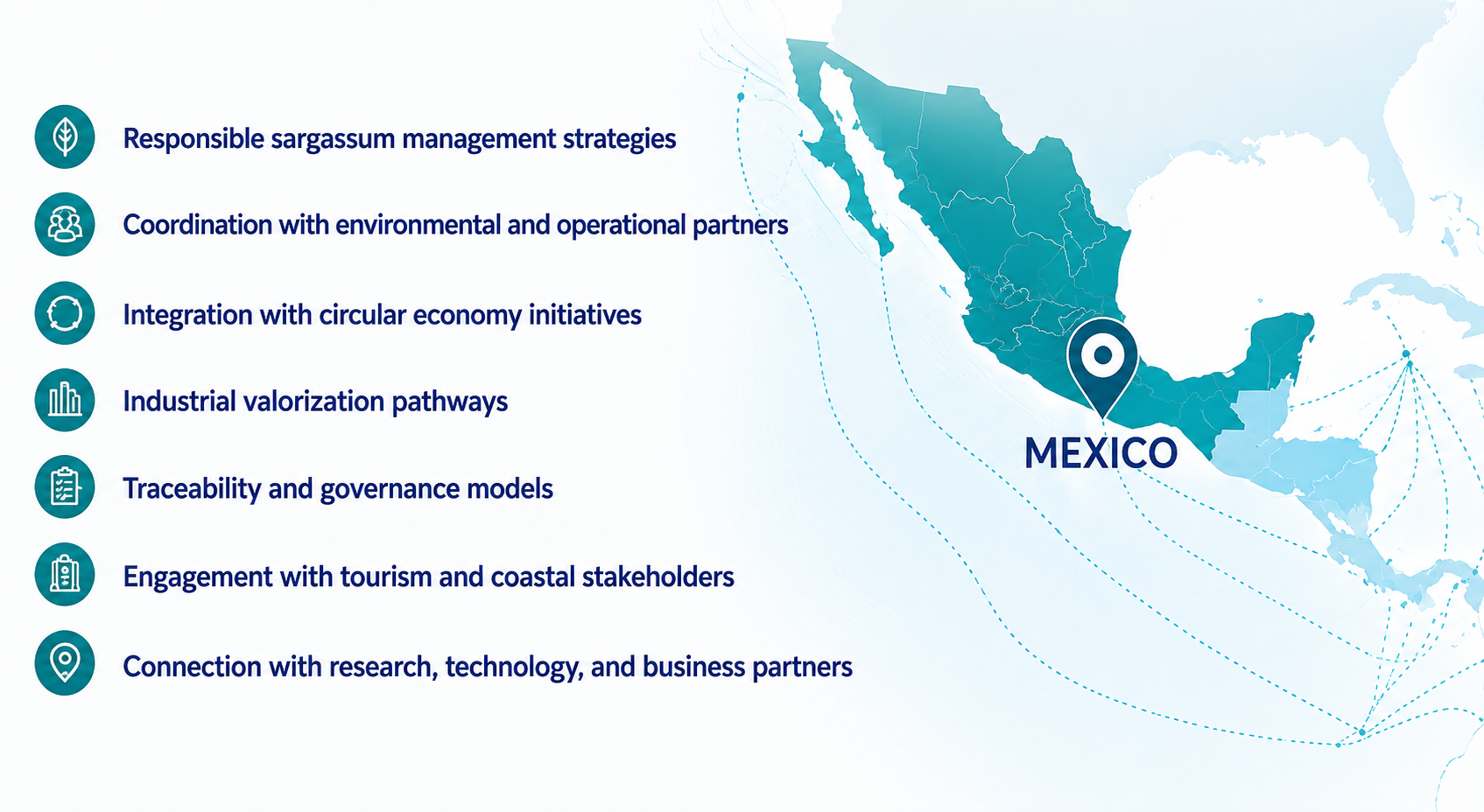
Leadership with purpose:
Connecting technology, circular economy, coastal resilience, and love for the planet.
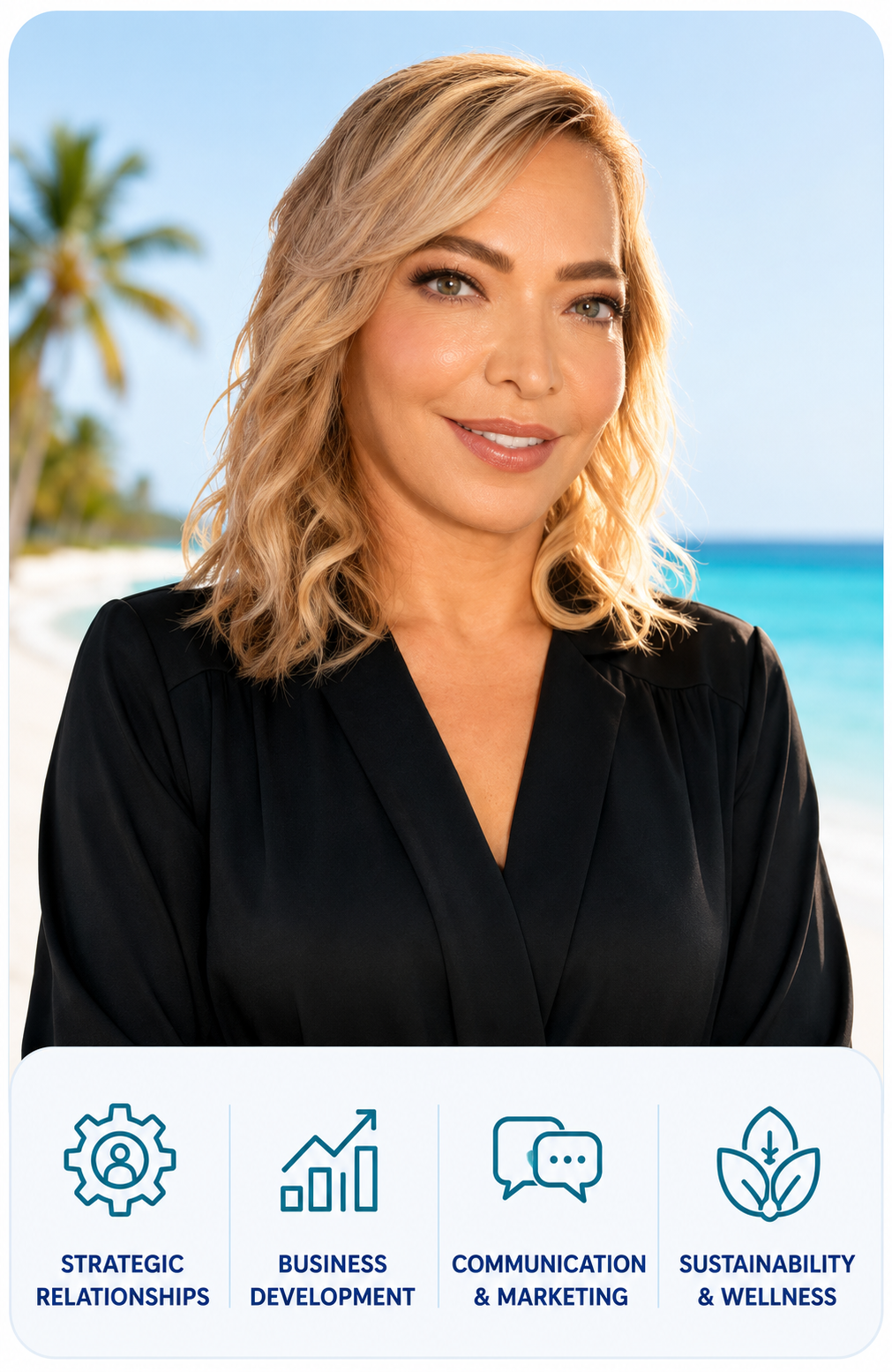
Karla Treviño
Founder & President
Karla Treviño is the Founder and President of Sargazo Bloom LLC, a Florida-based strategic integration company focused on responsible sargassum management.
With more than 20 years of experience in marketing, institutional relations, business development, and international partnerships, she connects governments, coastal communities, hospitality groups, technology providers, environmental specialists, and circular economy partners to structure customized solutions for Florida, Puerto Rico, the Caribbean, and other coastal regions.
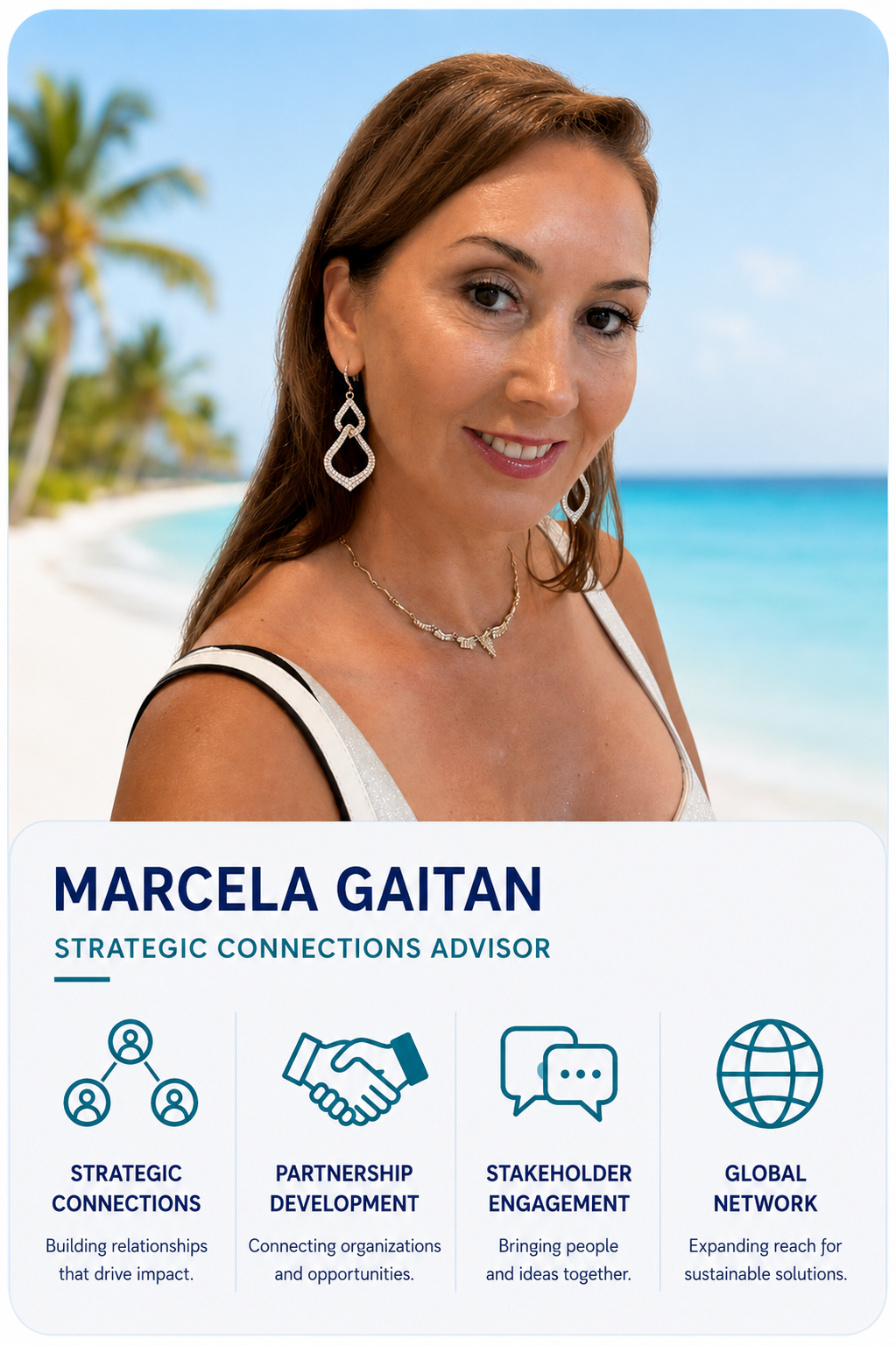
Marcela Gaitan
Strategic Connections Advisor.
Marcela Gaitan supports SargaBloom by facilitating strategic introductions and connecting the company with organizations, institutions, and professionals interested in sustainable sargassum management solutions.
She is an attorney who earned her law degree from Universidad Nacional del Litoral (UNL) in Argentina. She is also a Real Estate Associate in Miami Beach and has lived and worked in the Miami area for more than 15 years.
Her legal background, knowledge of the local market, and established professional network contribute to expanding SargaBloom’s visibility and creating new opportunities for collaboration.